




Can lab syringe filters be used for filtering acids and bases?
In the realm of laboratory work, the filtration of acids and bases is a common yet critical task. Lab syringe filters are widely used tools, but the question of whether they can be used for filtering acids and bases is not straightforward. As a supplier of lab syringe filters, I'll delve into this topic to provide a comprehensive understanding.
Understanding Lab Syringe Filters
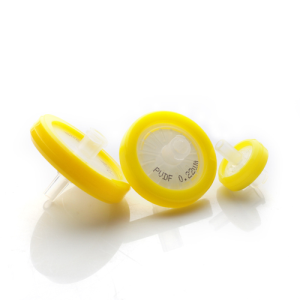
Lab syringe filters are small, disposable devices designed to remove particulate matter from liquid samples. They typically consist of a housing and a filter membrane. The housing is usually made of materials like polypropylene or nylon, which are chosen for their chemical compatibility and mechanical strength. The filter membrane, on the other hand, can be made from various materials such as cellulose acetate, polyethersulfone, and polytetrafluoroethylene (PTFE), each with its own unique properties.
Compatibility with Acids and Bases
The ability of a lab syringe filter to filter acids and bases depends largely on the chemical compatibility of its components with the specific acid or base being filtered.
Acids: Different acids have varying levels of reactivity. Strong acids like sulfuric acid (H₂SO₄) and hydrochloric acid (HCl) are highly corrosive. For these, PTFE membrane filters are often a good choice. PTFE is extremely resistant to most chemicals, including strong acids. It can withstand the harsh chemical environment without degrading or leaching contaminants into the sample. For example, in a chemical analysis where a concentrated sulfuric acid sample needs to be filtered to remove any solid impurities before further testing, a 30mm Syringe Filter with a PTFE membrane would be suitable.
On the other hand, weak acids such as acetic acid (CH₃COOH) are less corrosive. Cellulose acetate membrane filters can be used for filtering weak acids in many cases. They are relatively inexpensive and offer good filtration efficiency for less aggressive chemicals. However, they may not be suitable for long - term exposure to strong acids as they can be hydrolyzed by them.
Bases: Strong bases like sodium hydroxide (NaOH) and potassium hydroxide (KOH) can also be quite corrosive. PTFE membranes are again a reliable option for filtering strong bases due to their chemical inertness. For instance, in a pharmaceutical research laboratory where a concentrated sodium hydroxide solution is being used in a synthesis process and needs to be filtered, a GF Prefilter Syringe Filter with a PTFE membrane can ensure that the solution is free from particulate matter without the risk of the filter degrading.
Weak bases, such as ammonia (NH₃) in aqueous solution, are less reactive. Nylon membrane filters can be used for filtering weak bases. Nylon has good mechanical strength and is compatible with a wide range of weak bases. A 4mm Syringe Filter with a nylon membrane might be used in a small - scale experiment involving the filtration of a dilute ammonia solution.
Factors Affecting Filter Performance
Apart from the chemical nature of the acid or base, other factors can affect the performance of lab syringe filters when filtering these substances.
Concentration: Higher concentrations of acids and bases generally increase their reactivity. A filter that can handle a dilute acid or base solution may not be suitable for a concentrated one. For example, a cellulose acetate filter might work well for a 1% acetic acid solution but could be damaged by a 50% acetic acid solution.
Temperature: Elevated temperatures can accelerate chemical reactions. If a filtration process is carried out at a high temperature, the filter material may degrade more quickly. For instance, when filtering a hot sulfuric acid solution, the filter needs to be able to withstand both the chemical and thermal stress. PTFE filters are more likely to maintain their integrity at higher temperatures compared to other materials.
Flow Rate: The flow rate of the acid or base through the filter can also impact its performance. A high flow rate can cause mechanical stress on the filter membrane, potentially leading to membrane rupture or reduced filtration efficiency. It is important to select a filter with an appropriate pore size and membrane thickness to ensure a proper balance between flow rate and filtration quality.
Considerations for Safe Use
When using lab syringe filters for filtering acids and bases, safety should always be a top priority.
Proper Handling: Wear appropriate personal protective equipment (PPE) such as gloves, goggles, and lab coats. When inserting the syringe into the filter, make sure to do it carefully to avoid any spillage of the acid or base.
Disposal: After use, dispose of the used syringe filters properly according to local regulations. Acids and bases can contaminate the environment if not disposed of correctly.
Conclusion
In conclusion, lab syringe filters can be used for filtering acids and bases, but the key is to select the right filter based on the specific chemical properties of the acid or base, as well as other factors such as concentration, temperature, and flow rate. As a supplier of lab syringe filters, we offer a wide range of products with different membrane materials and sizes to meet the diverse needs of our customers in filtering acids and bases.


If you are in need of high - quality lab syringe filters for your acid and base filtration applications, we invite you to contact us for procurement and further discussion. Our team of experts is ready to assist you in choosing the most suitable filters for your specific requirements.
References
- "Handbook of Laboratory Filtration Technology" by Andrew L. Zydney
- "Chemical Compatibility Guide for Laboratory Materials" published by a leading chemical research institute.