


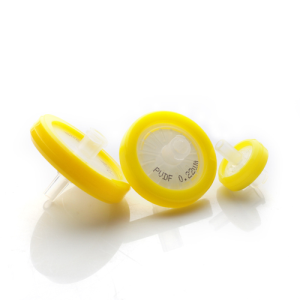


Storing Membrane Filter CA properly is crucial to maintain its performance and integrity. As a trusted supplier of Membrane Filter CA, we understand the importance of correct storage methods to ensure that our customers receive products in the best condition.
I. Understanding Membrane Filter CA
Before delving into the storage methods, let's briefly understand what Membrane Filter CA is. Cellulose acetate (CA) membrane filters are widely used in various industries, including pharmaceuticals, food and beverage, and environmental analysis. CA Membrane Filter offers excellent chemical compatibility with many organic solvents and aqueous solutions. They are known for their low protein binding properties, making them suitable for applications such as clarifying and sterilizing liquids.


II. Ideal Storage Conditions
- Temperature
- The ideal temperature for storing Membrane Filter CA is between 2 - 8°C (36 - 46°F). This temperature range helps to maintain the physical and chemical properties of the membrane. Higher temperatures can cause the membrane to become brittle or can accelerate chemical degradation. For example, at elevated temperatures, the cellulose acetate material may start to break down, which can affect the pore size and filtration efficiency of the membrane.
- If storing the filters in a refrigerator, ensure that they are not placed near the door or in areas where the temperature can fluctuate significantly. Also, place the filters in a sealed container to prevent moisture from the refrigerator from condensing on the membranes.
- Humidity
- Low humidity is essential for proper storage. High humidity can lead to the growth of mold and bacteria on the membrane surface, which can contaminate the filter and compromise its performance. Aim to keep the relative humidity in the storage area below 60%.
- Silica gel packs can be placed in the storage container to absorb any excess moisture. These packs are readily available and can be easily replaced when they become saturated.
- Light
- Membrane Filter CA should be stored in a dark place. Exposure to light, especially ultraviolet (UV) light, can cause the membrane to degrade. UV light can break the chemical bonds in the cellulose acetate material, leading to changes in the membrane structure and a decrease in its filtration efficiency.
- Store the filters in opaque containers or cabinets to protect them from light.
III. Packaging Considerations
- Original Packaging
- Keep the Membrane Filter CA in its original packaging as much as possible. The original packaging is designed to provide an initial layer of protection against environmental factors such as dust, light, and moisture. It also contains important information about the filter, including the batch number, expiration date, and specifications.
- Sealed Containers
- If the original packaging is damaged or you need to transfer the filters for long - term storage, place them in sealed plastic containers. Ensure that the containers are clean and dry before adding the filters. You can use zip - lock bags or plastic boxes with tight - fitting lids.
- Labeling
- Clearly label the storage containers with the type of filter (Membrane Filter CA), the batch number, the date of purchase, and the expiration date. This helps in easy identification and inventory management.
IV. Handling During Storage
- Clean Hands and Surfaces
- When handling the Membrane Filter CA during storage, always wear clean gloves. This prevents the transfer of contaminants from your hands to the filters. Also, ensure that the storage surfaces, such as shelves or workbenches, are clean and free from dust and debris.
- Avoid Physical Damage
- membranes are delicate and can be easily damaged. When placing or removing filters from the storage containers, handle them with care. Avoid folding, bending, or scratching the membranes. Physical damage can create leaks or blockages in the filtration process.
V. Comparison with Other Filters
It's interesting to compare the storage requirements of Membrane Filter CA with other types of membrane filters. For example, Nylon Membrane Filter has different chemical and physical properties. Nylon membranes are more resistant to high temperatures and harsh chemicals compared to CA membranes. However, they are also more prone to static build - up, which can attract dust and other particles during storage.
Another type is the MCE Gridded Membrane made of mixed cellulose esters. MCE membranes are similar to CA membranes in terms of their chemical compatibility with aqueous solutions but may have different pore size distributions and mechanical strengths. Their storage requirements are also similar to CA membranes, but they may be more sensitive to certain solvents due to the presence of different cellulose esters in the material.
VI. Long - Term Storage
- Regular Inspections
- For long - term storage, it's important to conduct regular inspections of the Membrane Filter CA. Check for any signs of damage, mold growth, or changes in the appearance of the membrane. If you notice any issues, it's best to discard the affected filters to prevent potential problems during use.
- Rotation
- Implement a first - in, first - out (FIFO) system for filter storage. This ensures that the oldest filters are used first, reducing the risk of expiration and maintaining a fresh inventory of Membrane Filter CA.
VII. Conclusion and Call to Action
Proper storage of Membrane Filter CA is essential to ensure its optimal performance and longevity. By following the guidelines mentioned above, you can protect your investment in these high - quality filters and achieve reliable results in your filtration applications.
If you are in need of high - quality Membrane Filter CA or have any questions about storage or other aspects of our products, we are here to help. Our team of experts can provide you with more detailed information and assist you in choosing the right filters for your specific needs. Contact us today to start a discussion about your procurement requirements and take advantage of our top - notch membrane filter solutions.
References
- "Membrane Filtration Technology Handbook" by P. R. Kulkarni
- Journal articles on membrane filter materials and storage published in "Journal of Membrane Science"