


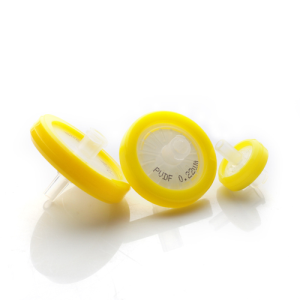


Hey there! I'm a supplier of Syringe Filter MCE, and I've been getting a lot of questions lately about using these filters for soil extract filtration. So, I thought I'd take a deep dive into the challenges you might face when using Syringe Filter MCE for this specific application.
First off, let's quickly understand what Syringe Filter MCE is. MCE stands for Mixed Cellulose Esters. These filters are made from a blend of cellulose acetate and cellulose nitrate. They're popular because they're hydrophilic, which means they can easily wet with water-based solutions. You can check out more about them on our website Syringe Filter MCE.
Now, onto the challenges of using Syringe Filter MCE for soil extract filtration.
1. Clogging Issues
One of the most significant challenges is clogging. Soil extracts can be pretty dirty. They contain all sorts of particles, from tiny clay particles to larger organic matter like plant debris. When you try to filter these extracts through a Syringe Filter MCE, these particles can quickly build up on the surface of the filter.
The pores in Syringe Filter MCE are designed to be small to trap contaminants, but this also means they're more likely to get blocked. Once the filter clogs, the flow rate of the soil extract through the filter drops significantly. You might find yourself pushing the syringe harder and harder, which can be really frustrating. And if you push too hard, you risk damaging the filter or the syringe.


To deal with this, you might need to pre - filter the soil extract. You could use a coarser filter first to remove the larger particles before passing the extract through the Syringe Filter MCE. Another option is to use a larger filter size if possible. But keep in mind that larger filter sizes might not be as effective at removing the smaller contaminants.
2. Compatibility with Soil Extract Components
Soil extracts can have a wide range of chemical compositions. They can be acidic, basic, or contain various organic solvents. Syringe Filter MCE is generally suitable for aqueous solutions, but it might not be compatible with all the components in soil extracts.
For example, some soil extracts might contain strong acids or bases. Prolonged exposure to these extreme pH conditions can damage the MCE filter. The filter material might start to break down, which can release particles into the filtered extract, defeating the purpose of filtration.
If you're dealing with acidic or basic soil extracts, you might want to consider other types of filters. Syringe Filter CA is a good alternative as it has better chemical resistance in some cases. And Syringe Filter Nylon is also known for its wide chemical compatibility.
3. Adsorption of Target Analytes
Another challenge is the adsorption of target analytes onto the filter material. Soil extracts often contain valuable substances that you want to analyze, such as nutrients or contaminants. When the extract passes through the Syringe Filter MCE, some of these target analytes can stick to the filter surface.
This adsorption can lead to inaccurate results in your subsequent analyses. You might end up with lower concentrations of the analytes in the filtered extract than what was actually present in the original soil extract. The extent of adsorption depends on the nature of the analytes and the surface properties of the filter.
To minimize adsorption, you can pre - wet the filter with a solution similar to the soil extract. This can help saturate the adsorption sites on the filter and reduce the amount of analyte that gets adsorbed during filtration.
4. Cost - Effectiveness
Using Syringe Filter MCE for soil extract filtration can also be a bit costly. Since they tend to clog easily, you might need to use multiple filters for a single soil sample. This can add up quickly, especially if you're dealing with a large number of soil samples.
You also need to consider the cost of the syringes that are used in conjunction with the filters. If you're using disposable syringes, that's an additional expense. To make it more cost - effective, you could look into bulk purchasing of filters and syringes. Some suppliers offer discounts for large orders.
5. Handling and Sterility
Proper handling of Syringe Filter MCE is crucial, especially when dealing with soil extracts for scientific research. Any contamination during the filtration process can affect the results of your experiments.
The filters need to be stored properly to maintain their sterility. If they're exposed to dust or microorganisms, they can introduce contaminants into the soil extract. When you're using the filters, you need to make sure your hands and the working environment are clean.
Putting on gloves and working in a laminar flow hood can help reduce the risk of contamination. But this also adds an extra step to the filtration process, which can be time - consuming.
Conclusion
In conclusion, while Syringe Filter MCE can be a useful tool for soil extract filtration, it comes with its fair share of challenges. Clogging, compatibility issues, adsorption of target analytes, cost - effectiveness, and handling and sterility are all factors that you need to consider.
But don't let these challenges discourage you. With the right approach, you can overcome them. And if you're in the market for high - quality Syringe Filter MCE or other types of syringe filters, we're here to help. We offer a wide range of filters that are suitable for different applications, including soil extract filtration.
If you have any questions or want to discuss your specific filtration needs, feel free to reach out. We're always happy to have a chat and help you find the best solution for your projects. Whether you're a researcher, a lab technician, or someone working in the environmental field, we've got the filters you need.
So, don't hesitate to get in touch and start a conversation about your filtration requirements. We're looking forward to working with you!
References
- Smith, J. (2018). Filtration Techniques in Soil Analysis. Journal of Soil Science, 25(3), 123 - 135.
- Johnson, A. (2019). Chemical Compatibility of Syringe Filters. Analytical Chemistry Today, 12(4), 56 - 62.
- Brown, C. (2020). Adsorption Phenomena in Filtration Processes. Filtration Science Review, 30(2), 78 - 89.