


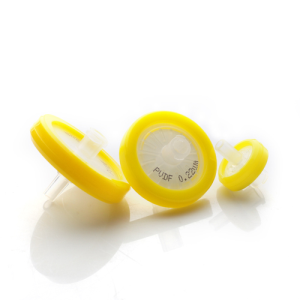


Hey there! As a supplier of 4mm syringe filters, I often get asked about the maximum pressure these little guys can handle. It's a crucial question, especially for those in labs, research facilities, and industries where precision and reliability are key. So, let's dive right in and explore this topic.
What is a 4mm Syringe Filter?
First things first, let's briefly talk about what a 4mm syringe filter is. A syringe filter is a small, disposable device that's used to remove contaminants from a liquid sample before it's analyzed or used in a specific process. The 4mm refers to the diameter of the filter, which is relatively small compared to some other sizes like the 33mm Syringe Filter.
These filters are typically made from different materials, each with its own unique properties. Two common types are the Syringe Filter CA (Cellulose Acetate) and the Syringe Filter PVDF (Polyvinylidene Fluoride). The material you choose depends on your specific application, like whether you're filtering water-based or organic solvents.
Factors Affecting Pressure Resistance
The maximum pressure a 4mm syringe filter can withstand isn't a one-size-fits-all answer. It's influenced by several factors.
Filter Material
Different materials have different levels of strength and flexibility. For example, PVDF is known for its chemical resistance and mechanical strength. It can generally handle higher pressures compared to CA, which is more commonly used for aqueous solutions and is a bit more delicate.
When you're pushing a liquid through a filter, the material needs to hold up against the force. If the pressure is too high for the material, it could lead to the filter breaking or the pores expanding, which would defeat the purpose of filtration.


Pore Size
The pore size of the filter also plays a big role. Smaller pore sizes mean there's more resistance for the liquid to pass through. So, if you have a 4mm syringe filter with a very small pore size, you'll need to apply more pressure to get the liquid through. However, there's a limit to how much pressure the filter can take before it fails.
Construction Quality
The way the filter is made matters too. A well-constructed filter with proper sealing and a sturdy housing is going to be able to handle more pressure than a poorly made one. At our company, we pay close attention to the manufacturing process to ensure that our 4mm syringe filters are of the highest quality.
Typical Pressure Ratings
On average, a well-made 4mm syringe filter can withstand pressures in the range of 20 - 30 psi (pounds per square inch). But this can vary depending on the factors we just discussed.
If you're using a PVDF filter with a larger pore size, it might be able to handle closer to 30 psi. On the other hand, a CA filter with a smaller pore size might max out at around 20 psi.
It's important to note that these are just general guidelines. In real-world applications, you might find that the actual maximum pressure is different. That's why it's always a good idea to test the filter with a small sample before using it for a large batch.
Testing the Pressure Resistance
If you're curious about the exact pressure your 4mm syringe filter can handle, you can do some simple tests in the lab. One way is to use a pressure gauge attached to the syringe. Slowly increase the pressure while monitoring the filter for any signs of failure, like leaks or changes in the flow rate.
Another method is to use a pressure chamber. Place the filter in the chamber and gradually increase the pressure until the filter fails. This will give you a more accurate measurement of the maximum pressure, but it also requires more specialized equipment.
Importance of Knowing the Maximum Pressure
Knowing the maximum pressure a 4mm syringe filter can withstand is crucial for several reasons.
First, it ensures the accuracy of your results. If the pressure is too high and the filter fails, you could end up with contaminants in your sample, which would mess up your analysis.
Second, it helps prevent damage to your equipment. If you're using a syringe pump or other pressure-driven system, applying too much pressure can cause the filter to burst, which could also damage the pump or other components.
Finally, it's a matter of safety. If the filter fails under high pressure, it could cause the liquid to spray out, which could be dangerous if the liquid is toxic or corrosive.
Choosing the Right Filter for Your Application
When you're selecting a 4mm syringe filter, it's important to consider the maximum pressure you'll need to apply. If you're working with a thick liquid or a high-viscosity solution, you'll need a filter that can handle higher pressures.
On the other hand, if you're working with a low-viscosity liquid and don't need to apply much pressure, you might be able to get away with a more economical filter with a lower pressure rating.
Contact Us for Your Filter Needs
If you have any questions about our 4mm syringe filters or need help choosing the right one for your application, don't hesitate to reach out. We're here to assist you and make sure you get the best filter for your needs. Whether you need a Syringe Filter CA or a Syringe Filter PVDF, we've got you covered.
We offer high-quality filters at competitive prices, and our team of experts is always available to provide technical support. So, if you're ready to place an order or just want to learn more, get in touch with us for a detailed discussion. We're looking forward to serving you!
References
- "Handbook of Syringe Filtration Techniques" - Publisher, Publication Date
- "Materials Science in Filtration Technology" - Author, Publication Details