


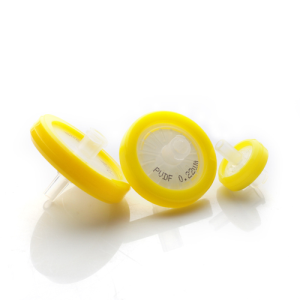


Hey there! I'm a supplier of Membrane Filter CA, and today I wanna dive deep into the topic of what the solubility of Membrane Filter CA is in different solvents. For those who might not be super familiar, Cellulose Acetate (CA) membrane filters are widely used in various industries for filtration purposes because of their great properties like low protein binding and good wet strength.
Let's kick things off by talking about the basics of solubility. Solubility refers to the ability of a substance to dissolve in a solvent to form a homogeneous solution. When it comes to Membrane Filter CA, understanding its solubility in different solvents is crucial. It helps users decide which solvent to use for cleaning, preparing solutions, or in some cases, modifying the membrane itself.
Solubility in Water
Water is probably the most common and friendly solvent we can think of. Membrane Filter CA has limited solubility in water at room temperature. Usually, it's quite insoluble. This is actually a good thing for many applications where the membrane needs to maintain its structure in an aqueous environment. For instance, in biological and pharmaceutical filtration processes where the samples are mostly in water - based solutions, the low water solubility of CA membrane filters ensures that they don't break down or dissolve during the filtration process. However, at higher temperatures, the solubility of CA can increase slightly. But even then, it won't completely dissolve in water under normal circumstances.
Solubility in Organic Solvents
Ethanol
Ethanol is a widely used organic solvent. Membrane Filter CA has a certain degree of solubility in ethanol. The solubility depends on the concentration of ethanol and the temperature. In lower - concentration ethanol solutions, the CA membrane may swell slightly but won't dissolve quickly. As the ethanol concentration increases and the temperature rises, the solubility will also increase. This property can be useful in some cases, like when you need to clean the membrane with an ethanol - water mixture. You can adjust the concentration of ethanol according to the degree of cleaning needed without worrying too much about the membrane completely dissolving.
Acetone
Acetone is a strong solvent, and Membrane Filter CA is more soluble in acetone compared to water and ethanol. When a CA membrane is in contact with acetone, it can dissolve relatively quickly. This high solubility in acetone can be both an advantage and a disadvantage. On one hand, if you want to dispose of CA membranes properly or need to completely dissolve them for some laboratory analysis, acetone can be a great choice. On the other hand, in applications where acetone might accidentally come into contact with the membrane, it can damage the membrane structure.


Chloroform
Chloroform is another solvent to consider. Membrane Filter CA has a relatively high solubility in chloroform. Similar to acetone, chloroform can dissolve the CA membrane effectively. However, we have to be cautious when using chloroform because of its potential health and environmental hazards. It's important to handle it in a well - ventilated area and follow all safety protocols.
Comparison with Other Membrane Filters
It's also interesting to compare the solubility of Membrane Filter CA with other types of membrane filters. For example, if you're looking at PTFE Membrane Filter, PTFE is extremely resistant to solvents. It has very low solubility in almost all common solvents, including water, ethanol, acetone, and chloroform. This makes PTFE membrane filters suitable for applications where they need to be in contact with harsh chemicals.
Ny lon Membrane Filter has different solubility characteristics. It's relatively stable in water but can be affected by some solvents. For instance, it can be dissolved or damaged by strong acids or bases.
PVDF Membrane Filter is also known for its good chemical resistance. It has low solubility in many common organic solvents, although it may be affected by some strong aprotic solvents.
Practical Applications and Considerations
Understanding the solubility of Membrane Filter CA in different solvents is essential for its practical applications. In the pharmaceutical industry, when filtering various drugs and biological products, the choice of solvent for pre - treatment or cleaning of the membrane is based on its solubility. If the wrong solvent is used, it can lead to membrane damage or contamination of the product.
In the laboratory, researchers need to know the solubility to perform experiments accurately. For example, if you're doing a filtration experiment and need to clean the membrane between different runs, you can choose a solvent that can clean it effectively without dissolving the membrane too much.
How to Choose the Right Solvent
When choosing a solvent for working with Membrane Filter CA, there are several factors to consider. First, think about the purpose of using the solvent. If it's for cleaning, you want a solvent that can remove impurities without dissolving the membrane. Second, consider the safety aspects. For example, as mentioned earlier, chloroform and acetone are effective solvents but come with safety risks. Third, take into account the compatibility with the substances you're filtering. You don't want the solvent to react with the samples and cause unwanted changes.
Contact for Purchase and Consultation
If you're in the market for Membrane Filter CA and need more information about its properties, solubility, or any other aspect, don't hesitate to reach out. We're here to help you make the best choice for your specific needs. Whether you're a small - scale laboratory or a large - scale industrial user, we can provide you with high - quality Membrane Filter CA products and professional advice. Feel free to start the conversation and let's work together to meet your filtration requirements.
References
- "Handbook of Membrane Separations: Chemical, Pharmaceutical, Food, and Biotechnological Applications"
- "Membrane Science and Technology" textbook
- Various research papers on the solubility of polymers in different solvents.