


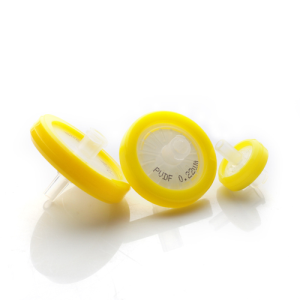


In the realm of industrial filtration, the choice of an appropriate filter is crucial for ensuring the quality and efficiency of the filtration process. As a supplier of Membrane Filter CA, I often encounter inquiries regarding its applicability in oil filtration. This blog aims to explore whether Membrane Filter CA can be effectively used in oil filtration, delving into its properties, advantages, limitations, and real - world applications.
Properties of Membrane Filter CA
Cellulose acetate (CA) membrane filters are well - known for their excellent hydrophilic properties. They are made from cellulose acetate polymers, which are derived from natural cellulose. These membranes have a well - defined pore structure, which can be precisely controlled during the manufacturing process. The pore sizes typically range from 0.1 to 10 micrometers, allowing for the retention of particles of different sizes.
The chemical stability of Membrane Filter CA is another important characteristic. They are resistant to a wide range of solvents, acids, and bases within a certain pH range. This stability makes them suitable for use in various chemical environments. Additionally, CA membranes are relatively flexible and have good mechanical strength, which enables them to withstand the pressure and flow conditions during filtration.
Advantages of Using Membrane Filter CA in Oil Filtration
1. High Filtration Efficiency
One of the primary advantages of Membrane Filter CA in oil filtration is its high filtration efficiency. The precisely controlled pore size allows for the effective removal of particulate contaminants from the oil. Whether it is solid particles, such as metal shavings, dust, or other debris, the CA membrane can trap them, ensuring that the filtered oil meets the required quality standards.
2. Good Compatibility
Membrane Filter CA shows good compatibility with many types of oils. Since they are made from a relatively inert polymer, they do not react chemically with most oils, which helps to maintain the chemical properties of the oil during the filtration process. This is particularly important in applications where the chemical composition of the oil needs to be preserved, such as in the lubrication systems of precision machinery.
3. Cost - Effectiveness
Compared to some other high - performance filtration materials, Membrane Filter CA is relatively cost - effective. The manufacturing process of CA membranes is well - established, which allows for large - scale production at a reasonable cost. This makes them an attractive option for industries that require continuous and large - volume oil filtration.
Limitations of Using Membrane Filter CA in Oil Filtration
1. Limited Resistance to High - Temperature Oils
One of the main limitations of Membrane Filter CA is its relatively low resistance to high - temperature oils. Cellulose acetate membranes start to degrade at relatively moderate temperatures, typically around 60 - 80 degrees Celsius. In applications where the oil temperature is high, such as in some industrial engines or high - speed machinery, the CA membrane may not be able to withstand the heat, leading to a reduction in its filtration performance and a shorter lifespan.
2. Susceptibility to Certain Oil Additives
Some oil additives may have an adverse effect on the performance of Membrane Filter CA. For example, certain types of detergents or dispersants in the oil may cause the membrane to swell or dissolve over time. This can lead to a change in the pore size and structure of the membrane, reducing its filtration efficiency and potentially causing contamination of the oil.
Real - World Applications of Membrane Filter CA in Oil Filtration
Despite its limitations, Membrane Filter CA has found several real - world applications in oil filtration.
1. Hydraulic Oil Filtration
In hydraulic systems, the cleanliness of the hydraulic oil is crucial for the proper functioning of the system. Membrane Filter CA can be used to remove particulate contaminants from the hydraulic oil, ensuring smooth operation and preventing damage to the hydraulic components. The relatively low - temperature environment in most hydraulic systems is within the operating range of CA membranes, making them a suitable choice.
2. Transformer Oil Filtration
Transformer oil needs to be kept free of contaminants to maintain its insulating properties. Membrane Filter CA can be employed in the filtration of transformer oil to remove moisture, dust, and other impurities. The compatibility of CA membranes with the transformer oil helps to preserve the electrical properties of the oil.
Comparison with Other Membrane Filters
When considering oil filtration, it is also important to compare Membrane Filter CA with other types of membrane filters, such as PVDF Membrane Filter and PES Membrane Filter.
1. PVDF Membrane Filter
PVDF membranes are known for their high chemical resistance and excellent mechanical strength. They can withstand higher temperatures and harsher chemical environments compared to Membrane Filter CA. However, PVDF membranes are generally more expensive than CA membranes. In applications where high - temperature and chemical - resistant filtration is required, PVDF membranes may be a better choice, while for more cost - sensitive and lower - temperature applications, CA membranes are more suitable.


2. PES Membrane Filter
PES membranes offer good filtration performance and are also relatively chemically stable. They have a higher flow rate compared to CA membranes, which can be an advantage in applications where high - volume filtration is needed. However, like PVDF membranes, PES membranes are more costly. CA membranes can be a more economical option for applications with lower flow rate requirements.
Special Considerations for Using Membrane Filter CA in Oil Filtration
1. Pre - filtration
To extend the lifespan of Membrane Filter CA in oil filtration, pre - filtration is often recommended. A pre - filter can be used to remove larger particles from the oil before it reaches the CA membrane. This reduces the load on the CA membrane and prevents premature clogging, thereby improving the overall filtration efficiency and reducing the frequency of membrane replacement.
2. Monitoring and Maintenance
Regular monitoring of the filtration process is essential when using Membrane Filter CA in oil filtration. Parameters such as pressure drop, flow rate, and the quality of the filtered oil should be monitored. If the pressure drop across the membrane increases significantly or the quality of the filtered oil deteriorates, it may be a sign that the membrane needs to be replaced.
Conclusion
In conclusion, Membrane Filter CA can be used in oil filtration, especially in applications where the oil temperature is relatively low and cost - effectiveness is a key consideration. Its high filtration efficiency, good compatibility with many oils, and relatively low cost make it a viable option for various industries. However, it is important to be aware of its limitations, such as limited high - temperature resistance and susceptibility to certain oil additives. By taking appropriate measures, such as pre - filtration and regular monitoring, the performance of Membrane Filter CA in oil filtration can be optimized.
If you are interested in learning more about our Membrane Filter CA products or have specific requirements for oil filtration, we invite you to contact us for further discussion and potential procurement negotiations. We are committed to providing high - quality membrane filters and excellent customer service to meet your filtration needs.
References
- "Filtration Handbook" by Peter A. Schweitzer.
- "Membrane Science and Technology" by R. W. Baker.
- Technical literature on cellulose acetate membranes from membrane filter manufacturers.