


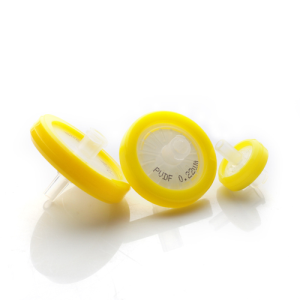


As a supplier of Syringe Filter RC, I understand the importance of filtration efficiency in various laboratory and industrial applications. A high - performance Syringe Filter RC can significantly enhance the quality of sample preparation and analysis. In this blog, I will share several effective strategies to improve the filtration efficiency of a Syringe Filter RC.
Understanding the Basics of Syringe Filter RC
Before delving into ways to improve filtration efficiency, it's essential to understand what a Syringe Filter RC is. RC stands for regenerated cellulose, which is a widely used membrane material in syringe filters. Syringe Filter RC offers excellent chemical compatibility with a wide range of solvents and aqueous solutions, low protein binding, and high flow rates. It is commonly used in applications such as HPLC sample preparation, pharmaceutical analysis, and environmental testing. You can learn more about Syringe Filter RC on our website.
Selecting the Appropriate Pore Size
One of the most critical factors affecting filtration efficiency is the pore size of the syringe filter. The pore size determines the size of particles that can pass through the filter. If the pore size is too large, it may not effectively remove the unwanted particles, while an overly small pore size can lead to slow filtration rates and clogging.
When choosing a pore size, consider the nature of your sample. For example, if you are filtering a solution with relatively large particles, a filter with a larger pore size (e.g., 0.45 µm) may be sufficient. However, for samples containing smaller particles or for applications requiring high - purity filtrates, a smaller pore size (e.g., 0.22 µm) is recommended. It's also important to note that using a pre - filter can help extend the life of the main filter. Our GF Prefilter Syringe Filter can be used as a pre - filter to remove larger particles before the sample reaches the Syringe Filter RC, thus improving overall filtration efficiency.
Proper Sample Preparation
Proper sample preparation is crucial for achieving optimal filtration efficiency. First, ensure that the sample is well - mixed before filtration. This helps to prevent the formation of particle aggregates that can clog the filter. If the sample contains a high concentration of particles, it may be necessary to perform a preliminary centrifugation or sedimentation step to remove the larger particles.
Another important aspect of sample preparation is the pH and ionic strength of the sample. Extreme pH values or high ionic strength can cause the membrane of the Syringe Filter RC to swell or shrink, which may affect its filtration performance. Therefore, it's advisable to adjust the pH and ionic strength of the sample within the recommended range for the filter.
Correct Filter Installation
The way the Syringe Filter RC is installed can also impact filtration efficiency. Make sure that the filter is properly attached to the syringe. A loose connection can result in sample leakage, which not only reduces the amount of sample being filtered but also may introduce contaminants into the filtrate.
When attaching the filter to the syringe, ensure that the filter is oriented correctly. Some filters have a specific inlet and outlet direction, and installing the filter in the wrong direction can lead to poor filtration performance. Always follow the manufacturer's instructions for filter installation.


Controlling Filtration Pressure
The pressure applied during filtration plays a significant role in filtration efficiency. Applying too much pressure can cause the filter to rupture or can force particles through the filter pores, reducing the filtration effectiveness. On the other hand, insufficient pressure may result in slow filtration rates.
It's recommended to use a syringe pump or a pressure - controlled filtration system to maintain a consistent and appropriate pressure during filtration. This helps to ensure a stable flow rate and prevent damage to the filter. When using a syringe by hand, apply a steady and moderate pressure. Avoid sudden or excessive pressure changes, as these can disrupt the filtration process.
Regular Filter Replacement
Over time, the Syringe Filter RC will become clogged with particles, which will gradually reduce its filtration efficiency. Therefore, it's important to replace the filter regularly. The frequency of filter replacement depends on the nature and volume of the sample being filtered.
If you notice a significant decrease in the filtration rate or an increase in the pressure required to maintain the flow, it's a sign that the filter may be clogged and needs to be replaced. Using a pre - filter can help extend the life of the main Syringe Filter RC, but eventually, both filters will need to be replaced to ensure optimal performance.
Using Compatible Solvents
The choice of solvents is also important for the performance of the Syringe Filter RC. As mentioned earlier, regenerated cellulose membranes have good chemical compatibility with many solvents, but some solvents may still cause damage to the membrane.
Avoid using solvents that are known to be incompatible with the filter material. For example, strong acids or bases at high concentrations can degrade the membrane. If you are unsure about the compatibility of a particular solvent with the Syringe Filter RC, consult the manufacturer's chemical compatibility chart. In some cases, using a different type of filter, such as Syringe Filter PES, may be more suitable for certain solvents.
Storage Conditions
Proper storage of the Syringe Filter RC is essential to maintain its performance. Filters should be stored in a clean, dry, and cool environment. Exposure to high humidity, heat, or direct sunlight can damage the membrane and reduce its filtration efficiency.
Keep the filters in their original packaging until they are ready to be used. This helps to protect them from dust and other contaminants. If the filters are stored for an extended period, check their expiration date before use.
Conclusion
Improving the filtration efficiency of a Syringe Filter RC requires a combination of proper sample preparation, correct filter selection and installation, appropriate pressure control, regular filter replacement, and the use of compatible solvents. By following these strategies, you can ensure that your Syringe Filter RC performs at its best, providing high - quality filtrates for your laboratory or industrial applications.
If you are interested in purchasing high - quality Syringe Filter RC or have any questions about improving filtration efficiency, please feel free to contact us. We are committed to providing you with the best products and technical support to meet your filtration needs.
References
- "Principles of Filtration" - A textbook on filtration technology.
- Manufacturer's documentation for Syringe Filter RC.
- Research papers on the performance of regenerated cellulose membranes in filtration applications.