


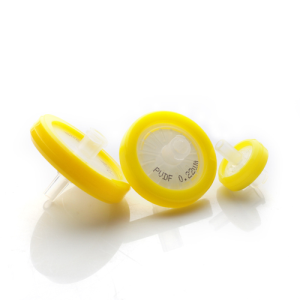


Back pressure is a critical factor that can significantly influence the performance of Syringe Filter PES. As a leading supplier of Syringe Filter PES, I have witnessed firsthand how back pressure can either enhance or hinder the efficiency of these filters in various applications. In this blog post, I will delve into the concept of back pressure, its effects on Syringe Filter PES, and how to manage it effectively.
Understanding Back Pressure
Back pressure refers to the resistance encountered by a fluid as it flows through a system. In the context of Syringe Filter PES, back pressure is generated when the filter media restricts the flow of the sample solution. This resistance can be caused by several factors, including the pore size of the filter, the viscosity of the sample, and the presence of particulate matter.
When the back pressure exceeds a certain threshold, it can lead to several issues that affect the performance of the filter. For instance, high back pressure can cause the filter to clog more quickly, reducing its filtration efficiency and lifespan. It can also lead to sample loss, as the increased pressure may force the sample to bypass the filter or cause the filter to rupture.
Effects of Back Pressure on Syringe Filter PES
Filtration Efficiency
One of the primary effects of back pressure on Syringe Filter PES is its impact on filtration efficiency. As the back pressure increases, the flow rate of the sample through the filter decreases. This can result in incomplete filtration, as the sample may not have sufficient time to pass through the filter media and be effectively purified. In some cases, the high back pressure may even cause the filter to become saturated with particulate matter, further reducing its filtration efficiency.
Filter Lifespan
Back pressure can also have a significant impact on the lifespan of Syringe Filter PES. When the back pressure is too high, the filter is subjected to increased stress, which can cause the filter media to deteriorate more quickly. This can lead to premature failure of the filter, requiring more frequent replacement and increasing the overall cost of filtration.
Sample Integrity
Another important consideration is the effect of back pressure on sample integrity. High back pressure can cause the sample to undergo changes in its physical and chemical properties. For example, the increased pressure may cause the sample to heat up, leading to degradation of heat-sensitive components. Additionally, the high pressure can cause the sample to become more turbulent, which may result in the formation of air bubbles or the shearing of large molecules.
Factors Affecting Back Pressure
Pore Size
The pore size of the Syringe Filter PES is one of the most important factors affecting back pressure. Smaller pore sizes provide better filtration efficiency but also generate higher back pressure, as the sample has to pass through smaller openings. Conversely, larger pore sizes allow for faster flow rates but may not provide adequate filtration for samples containing small particulate matter.
Sample Viscosity
The viscosity of the sample also plays a crucial role in determining the back pressure. Highly viscous samples, such as oils or polymers, have a higher resistance to flow and therefore generate higher back pressure. This can be particularly problematic when filtering these types of samples, as the high back pressure may cause the filter to clog quickly or even rupture.
Particulate Load
The amount of particulate matter in the sample is another significant factor affecting back pressure. Samples containing a high concentration of particulate matter will generate higher back pressure, as the filter has to remove more particles from the solution. This can lead to faster clogging of the filter and reduced filtration efficiency.
Managing Back Pressure
Selecting the Right Filter
One of the most effective ways to manage back pressure is to select the right Syringe Filter PES for the application. This involves considering factors such as the pore size, the type of sample, and the required filtration efficiency. For samples containing large particulate matter, a filter with a larger pore size may be more appropriate, as it will allow for faster flow rates and lower back pressure. On the other hand, for samples requiring high levels of purification, a filter with a smaller pore size may be necessary, even though it may generate higher back pressure.
Pre - Filtration
Pre - filtration is another useful technique for reducing back pressure. By using a pre - filter with a larger pore size to remove the larger particulate matter from the sample before it reaches the main Syringe Filter PES, the load on the main filter can be significantly reduced. This can help to extend the lifespan of the main filter and improve its filtration efficiency.
Adjusting the Flow Rate
Adjusting the flow rate of the sample through the filter can also help to manage back pressure. By reducing the flow rate, the back pressure can be decreased, allowing for more efficient filtration. This can be achieved by using a syringe pump or by applying less pressure when pushing the sample through the filter.
Comparison with Other Types of Syringe Filters
In addition to Syringe Filter PES, there are other types of syringe filters available on the market, such as Syringe Filter Nylon and Syringe Filter MCE. Each type of filter has its own unique characteristics and performance under different back pressure conditions.


Syringe Filter Nylon is known for its high chemical compatibility and mechanical strength. It can withstand relatively high back pressures without significant loss of filtration efficiency. However, it may not be suitable for all types of samples, as it can adsorb certain proteins and other biomolecules.
Syringe Filter MCE, on the other hand, is made of mixed cellulose esters and is commonly used for aqueous samples. It has a relatively low protein binding capacity and can provide good filtration efficiency at moderate back pressures. However, it may not be as durable as Syringe Filter PES or Nylon and may require more careful handling.
Conclusion
Back pressure is a complex and important factor that can have a significant impact on the performance of Syringe Filter PES. By understanding the concept of back pressure, its effects on the filter, and the factors that influence it, users can take appropriate measures to manage back pressure effectively. This includes selecting the right filter, using pre - filtration techniques, and adjusting the flow rate. As a supplier of Syringe Filter PES, we are committed to providing our customers with high - quality products and technical support to help them achieve optimal filtration results.
If you are interested in learning more about our Syringe Filter PES products or have any questions regarding back pressure and filtration performance, please feel free to contact us for a detailed discussion and potential procurement opportunities. We look forward to working with you to meet your filtration needs.
References
- ASTM International. Standard test methods for evaluating the performance of membrane filters. ASTM D589-17.
- Manufacturers' technical manuals for Syringe Filter PES, Nylon, and MCE.
- Scientific research papers on the effects of back pressure on filtration processes.