


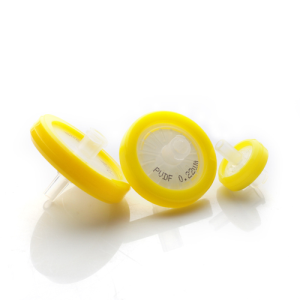


Cleaning a 4mm syringe filter is a crucial process that ensures its optimal performance and longevity. As a supplier of 4mm syringe filters, I understand the importance of proper maintenance. In this blog, I will share some effective methods to clean a 4mm syringe filter, which will not only help you save costs but also improve the quality of your filtration processes.

Why Clean a 4mm Syringe Filter?
Before diving into the cleaning methods, it's essential to understand why cleaning a 4mm syringe filter is necessary. Over time, syringe filters can accumulate various contaminants such as particles, proteins, and organic compounds. These contaminants can clog the filter pores, reducing the filtration efficiency and increasing the backpressure. As a result, the flow rate may decrease, and the filtration quality may deteriorate. Cleaning the syringe filter can remove these contaminants, restore its original performance, and extend its service life.
Pre - cleaning Preparation
- Safety First: Always wear appropriate personal protective equipment (PPE), such as gloves and safety glasses, to protect yourself from potential hazards during the cleaning process.
- Gather Cleaning Materials: You will need a suitable cleaning solution, distilled water, a clean container, and a syringe for flushing. The choice of cleaning solution depends on the type of contaminants and the filter material.
Cleaning Methods
Method 1: Flushing with Distilled Water
This is the simplest and most common method for cleaning a 4mm syringe filter. It is suitable for removing loose particles and water - soluble contaminants.
- Disconnect the Filter: Remove the 4mm syringe filter from the syringe or the filtration system.
- Rinse with Distilled Water: Fill a syringe with distilled water. Attach the syringe to the filter and slowly push the water through the filter in the normal flow direction. Repeat this process several times until the water coming out of the filter is clear.
- Reverse Flushing: If possible, reverse the filter and flush it with distilled water in the opposite direction. This can help dislodge any particles trapped in the filter pores.
Method 2: Using a Mild Detergent Solution
For more stubborn contaminants, a mild detergent solution can be used. However, it's important to choose a detergent that is compatible with the filter material.
- Prepare the Detergent Solution: Dilute a mild, non - ionic detergent in distilled water according to the manufacturer's instructions.
- Soak the Filter: Place the 4mm syringe filter in the detergent solution and let it soak for a few hours or overnight. This will help loosen the contaminants.
- Flush with the Detergent Solution: After soaking, use a syringe to flush the filter with the detergent solution. Make sure to flush both in the normal and reverse directions.
- Rinse with Distilled Water: Thoroughly rinse the filter with distilled water to remove any traces of the detergent.
Method 3: Chemical Cleaning
In some cases, chemical cleaning may be required to remove specific types of contaminants. For example, organic solvents can be used to remove oil - based contaminants, and acid or base solutions can be used to remove inorganic deposits.
- Choose the Appropriate Chemical: Select a chemical that is compatible with the filter material and can effectively remove the contaminants. For example, ethanol can be used to clean filters contaminated with proteins.
- Perform the Cleaning: Follow the same procedure as for the detergent solution, including soaking and flushing. However, be careful when handling chemicals, as they can be hazardous.
- Neutralize and Rinse: If you use an acid or base solution, neutralize the filter with a suitable neutralizing agent and then rinse it thoroughly with distilled water.
Drying the Filter
After cleaning, it's important to dry the 4mm syringe filter properly to prevent the growth of bacteria and mold.
- Air Drying: Place the filter in a clean, dry environment and allow it to air dry at room temperature. Make sure the filter is completely dry before using it again.
- Oven Drying: If necessary, you can dry the filter in an oven at a low temperature (below the melting point of the filter material). However, this method should be used with caution to avoid damaging the filter.
Quality Check
Before using the cleaned 4mm syringe filter, it's a good idea to perform a quality check to ensure its performance.
- Flow Rate Test: Attach the filter to a syringe filled with a known volume of liquid and measure the time it takes for the liquid to pass through the filter. Compare the flow rate with the specifications provided by the manufacturer.
- Filtration Efficiency Test: You can use a test solution containing a known concentration of particles to check the filtration efficiency of the filter. Analyze the filtrate to determine if the filter is still effective.
Our Product Range
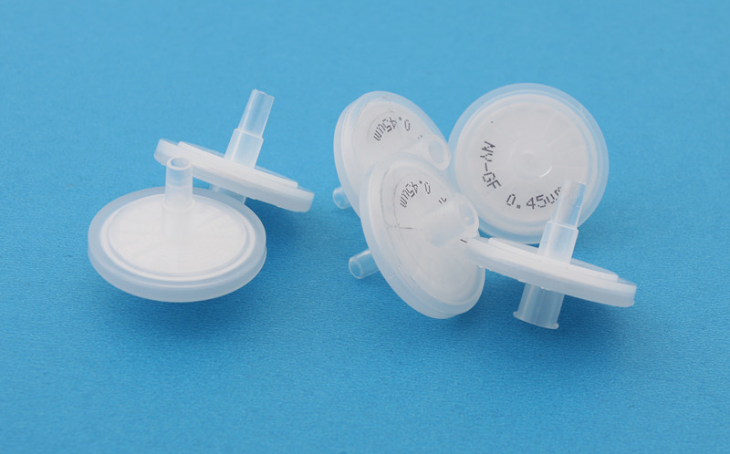
As a supplier of 4mm syringe filters, we offer a wide range of high - quality products to meet your different needs. Our GF Prefilter Syringe Filter is designed to provide pre - filtration, removing large particles and extending the service life of the final filter. The Syringe Filter Nylon is made of nylon material, which has excellent chemical resistance and is suitable for a variety of applications. We also have the 50mm Vent Filter, which is ideal for venting applications.
Contact Us for Purchase and Consultation
If you are interested in our 4mm syringe filters or need more information about cleaning and maintenance, please feel free to contact us. We have a professional team that can provide you with detailed product information and technical support. Whether you are a laboratory researcher, a pharmaceutical manufacturer, or an industrial user, we can offer you the most suitable solutions. Start a conversation with us today, and let's work together to achieve your filtration goals.
References
- "Filtration Handbook", various authors, Elsevier.
- Manufacturer's instructions for syringe filters.
- Industry standards and guidelines for filter cleaning and maintenance.