




The cost of a syringe filter is influenced by a multitude of factors, and understanding these elements is crucial for both suppliers and customers. As a syringe filter supplier, I am well - versed in the intricacies that determine the price of these essential laboratory tools.
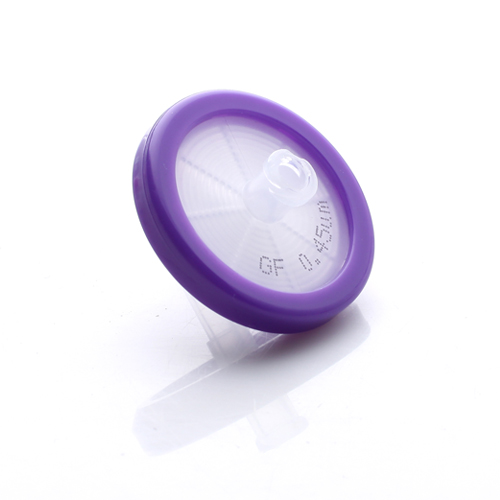

Factors Affecting the Cost of Syringe Filters
Material Composition
One of the primary determinants of the cost of a syringe filter is the material from which it is made. Syringe filters can be constructed from various materials, each with its own set of properties and price points. For instance, cellulose acetate (CA) is a popular material for syringe filters due to its low protein binding and high flow rates. The Syringe Filter CA offers excellent chemical compatibility with a wide range of solvents, making it suitable for many applications. However, the production of high - quality CA materials involves specific manufacturing processes and raw material costs, which can impact the final price of the filter.
On the other hand, filters made from other polymers such as polyethersulfone (PES) or nylon may have different cost structures. PES filters are known for their high - throughput and are often used in applications where speed is of the essence. Nylon filters, meanwhile, are highly resistant to a variety of chemicals and have good mechanical strength. The cost of these materials can vary depending on factors like the source of the raw materials, the complexity of the manufacturing process, and the demand in the market.
Filter Size
The size of the syringe filter also plays a significant role in determining its cost. Larger filters generally require more material for production, which can increase the price. For example, a 33mm Syringe Filter has a larger surface area compared to a smaller filter. This larger surface area allows for higher flow rates and the filtration of larger sample volumes, but it also means more material is used in its construction.
Conversely, a 30mm Syringe Filter is smaller in size and may be more cost - effective for applications where smaller sample volumes need to be filtered. The manufacturing process for different sizes also needs to be adjusted, which can add to the cost. Larger filters may require more precise machinery and more time for production, further contributing to their higher price.
Pore Size
The pore size of the syringe filter is another important factor. Filters with smaller pore sizes are designed to remove smaller particles from the sample. Manufacturing filters with very small pore sizes is a more challenging process that requires advanced technology and strict quality control. For example, a syringe filter with a pore size of 0.22 micrometers is commonly used to remove bacteria from a sample. Producing these filters with consistent and accurate pore sizes is difficult, which drives up the cost.
In contrast, filters with larger pore sizes, such as 1.0 micrometer or 5.0 micrometers, are used for pre - filtration or for removing larger debris. The manufacturing process for these filters is relatively less complex, and as a result, they are usually less expensive.
Quantity and Bulk Purchasing
The quantity of syringe filters purchased can have a significant impact on the cost per unit. When customers buy syringe filters in bulk, suppliers can often offer a lower price per filter. This is because bulk purchasing allows suppliers to streamline their production processes, reduce packaging and shipping costs, and benefit from economies of scale.
For example, a customer who orders a single syringe filter will likely pay a higher price per unit compared to a customer who orders a box of 100 or 1000 filters. Suppliers can pass on some of the savings from bulk production to the customers, making it more cost - effective for customers with high - volume needs.
Market Competition and Pricing Strategies
The syringe filter market is highly competitive, with many suppliers offering similar products. This competition can drive prices down as suppliers try to attract customers. Suppliers need to balance their pricing strategies to remain competitive while also ensuring they cover their costs and make a profit.
Some suppliers may offer promotional discounts, especially during certain times of the year or for new product launches. Others may provide value - added services such as free shipping or technical support to make their products more attractive. As a supplier, I understand the importance of offering competitive prices without compromising on the quality of the syringe filters.
Quality Assurance and Certification
High - quality syringe filters often come with a higher price tag because they require strict quality assurance measures. Suppliers need to ensure that their filters meet industry standards and regulations. For example, filters used in pharmaceutical or medical applications need to be sterile and comply with specific quality control standards. Obtaining certifications such as ISO 9001 or other relevant industry certifications adds to the cost of production.
These certifications ensure that the filters are safe and effective for their intended use. Customers are often willing to pay more for filters that have been certified because they can have confidence in the quality and performance of the product.
Conclusion
In conclusion, the cost of a syringe filter is determined by a combination of factors including material composition, filter size, pore size, quantity purchased, market competition, and quality assurance. As a syringe filter supplier, I am committed to providing high - quality products at competitive prices.
If you are in the market for syringe filters, whether you need a small quantity for a one - time experiment or a large bulk order for regular use, I encourage you to contact me for a detailed quote. We can discuss your specific requirements and find the most cost - effective solution for your needs. By understanding the various factors that affect the cost of syringe filters, you can make an informed decision when purchasing these essential laboratory tools.
References
- "Laboratory Filtration Handbook" by Pall Corporation
- "Principles of Filtration in Biotechnology" by Elsevier