


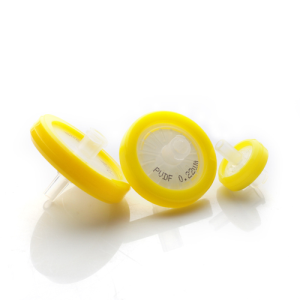


Hey there! As a supplier of membrane filters, I've seen firsthand how membrane fouling can be a real pain in the neck for users. It not only reduces the efficiency of the filtration process but also shortens the lifespan of the membrane filters. So, in this blog post, I'm going to share some practical tips on how to prevent membrane fouling in membrane filters.
1. Understanding Membrane Fouling
Before we jump into the prevention strategies, let's quickly go over what membrane fouling is. Membrane fouling occurs when particles, colloids, microorganisms, or dissolved substances accumulate on the membrane surface or within its pores. This buildup restricts the flow of the fluid through the membrane, increasing the pressure drop and reducing the filtration flux. Over time, it can even lead to complete blockage of the membrane, rendering it useless.


2. Pre - treatment of the Feed Solution
One of the most effective ways to prevent membrane fouling is to pre - treat the feed solution before it enters the membrane filter.
- Screening and Sedimentation: This is the first step in many filtration processes. By using screens with different pore sizes, large particles such as leaves, twigs, and stones can be removed. Sedimentation allows the heavier particles to settle at the bottom, reducing the load on the membrane filter. For example, in a water treatment plant, raw water is often passed through large settling tanks before further processing.
- Coagulation and Flocculation: Adding coagulants and flocculants to the feed solution can help to aggregate small particles into larger ones. These larger aggregates are then easier to remove through subsequent filtration steps or sedimentation. Aluminium salts and polyacrylamide are commonly used coagulants and flocculants respectively.
3. Selecting the Right Membrane
Choosing the appropriate membrane for your specific application is crucial in preventing fouling.
- Pore Size: The pore size of the membrane should be carefully selected based on the size of the particles you want to remove. If the pore size is too large, some of the unwanted particles may pass through. On the other hand, if it's too small, it may lead to rapid fouling. For instance, if you're filtering bacteria, a membrane with a pore size of 0.2 - 0.45 micrometers is often a good choice.
- Membrane Material: Different membrane materials have different surface properties, which can affect fouling. For example, hydrophilic membranes are less likely to adsorb hydrophobic substances, reducing the risk of fouling. Some common membrane materials include polyethersulfone (PES), polyvinylidene fluoride (PVDF), and cellulose acetate.
We offer a wide range of membrane filters, including the CN Gridded Membrane Filter. This filter has a unique grid pattern that not only helps with visual counting of particles but also has excellent anti - fouling properties due to its high - quality membrane material.
4. Operating Conditions Optimization
The way you operate the membrane filter can also have a significant impact on fouling.
- Cross - Flow Filtration: Instead of dead - end filtration, where the feed is forced directly through the membrane, cross - flow filtration allows the feed to flow parallel to the membrane surface. This creates a shear force that helps to sweep away the particles accumulating on the membrane surface, reducing fouling. Most industrial - scale membrane filtration systems use cross - flow filtration.
- Flow Rate and Pressure: Keeping the flow rate and pressure within the recommended range is essential. If the flow rate is too high, it may cause the particles to be forced into the membrane pores, leading to fouling. Similarly, excessive pressure can damage the membrane and accelerate fouling. Regularly monitor and adjust these parameters based on the characteristics of the feed solution and the filtration requirements.
5. Regular Cleaning and Maintenance
Even with the best prevention strategies, membrane fouling is inevitable over time. Regular cleaning and maintenance can help to restore the performance of the membrane filter.
- Physical Cleaning: This can include backwashing, where the flow of the fluid is reversed to remove the particles trapped on the membrane surface. Air scouring can also be used, where air bubbles are introduced into the system to dislodge the fouling substances.
- Chemical Cleaning: When physical cleaning is not enough, chemical cleaning may be required. Different cleaning agents are used depending on the type of fouling. For example, acids can be used to remove inorganic scale, while alkalis are effective against organic fouling. However, be careful when using chemicals as they can damage the membrane if not used correctly.
6. Monitoring and Detection
Setting up a monitoring system is vital to detect fouling early.
- Pressure Monitoring: An increase in the pressure drop across the membrane is one of the first signs of fouling. By continuously monitoring the pressure, you can detect fouling at an early stage and take appropriate action, such as adjusting the operating conditions or starting the cleaning process.
- Flux Monitoring: A decrease in the filtration flux is another indicator of fouling. Regularly measuring the flux can help you determine when the membrane needs maintenance or replacement.
In conclusion, preventing membrane fouling in membrane filters requires a comprehensive approach that includes pre - treatment, proper membrane selection, optimization of operating conditions, regular cleaning and maintenance, and effective monitoring. By following these tips, you can significantly extend the lifespan of your membrane filters and improve the efficiency of your filtration process.
If you're interested in learning more about our membrane filters or have any questions about preventing membrane fouling, feel free to get in touch. Our team of experts is always ready to help you find the best solutions for your specific needs. Let's start a conversation and see how we can work together to make your filtration process smoother and more efficient.
References
- Cheryan, M. Ultrafiltration Handbook. Technomic Publishing Company, 1986.
- Field, R. W., et al. "The role of hydrodynamic conditions in membrane filtration." Journal of Membrane Science 49.1 - 3 (1990): 1 - 19.
- Fane, A. G., and S. J. Judd. Membrane Bioreactors for Wastewater Treatment. IWA Publishing, 2007.