


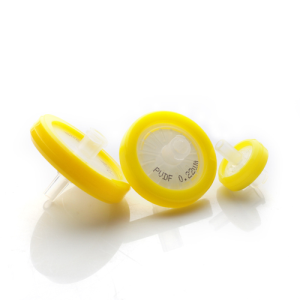


Chemical resistance is a critical aspect when evaluating the performance and suitability of a 50mm vent filter in various industrial, laboratory, and environmental applications. As a trusted supplier of 50mm vent filters, we understand the importance of this property and its impact on the overall functionality of the filter.
Understanding Chemical Resistance
Chemical resistance refers to the ability of a material to withstand the corrosive effects of chemicals without significant degradation in its physical or chemical properties. In the context of a 50mm vent filter, chemical resistance determines the filter's ability to maintain its integrity and performance when exposed to different types of chemicals, including acids, bases, solvents, and reactive gases.
The chemical resistance of a 50mm vent filter is primarily influenced by the material used in its construction. Different materials have varying degrees of resistance to different chemicals. For example, some polymers may be highly resistant to acids but less resistant to organic solvents. Therefore, it is essential to select a vent filter with the appropriate chemical resistance based on the specific chemicals it will encounter in the application.
Common Materials Used in 50mm Vent Filters and Their Chemical Resistance
Polyvinylidene Fluoride (PVDF)
PVDF is a widely used material in 50mm vent filters due to its excellent chemical resistance. It is highly resistant to a broad range of chemicals, including strong acids, bases, and many organic solvents. PVDF is also resistant to oxidation and UV radiation, making it suitable for use in harsh environmental conditions.
If you are interested in Syringe Filter PVDF, you can find more information here. This type of filter is often used in applications where high chemical resistance and durability are required.
Polyethersulfone (PES)
PES is another popular material for 50mm vent filters. It offers good chemical resistance, particularly to aqueous solutions and some polar solvents. PES filters are known for their high flow rates and low protein binding, making them suitable for filtration applications in the pharmaceutical and biotechnology industries.
For more details on Syringe Filter PES, please visit this link. These filters are often used in applications where fast and efficient filtration is needed.
Other Materials
In addition to PVDF and PES, other materials such as nylon, cellulose acetate, and glass fiber may also be used in 50mm vent filters. Each material has its own unique chemical resistance profile, and the choice of material depends on the specific requirements of the application.
Factors Affecting Chemical Resistance
Several factors can affect the chemical resistance of a 50mm vent filter, including:
- Concentration of the Chemical: Higher concentrations of chemicals are generally more corrosive and can cause more significant degradation of the filter material.
- Temperature: Elevated temperatures can increase the reactivity of chemicals and accelerate the degradation process. Therefore, it is important to consider the operating temperature when selecting a vent filter.
- Exposure Time: The longer the filter is exposed to a chemical, the greater the potential for degradation. In some cases, short-term exposure to a chemical may be tolerated, while long-term exposure can lead to failure of the filter.
Applications and Chemical Resistance Requirements
The chemical resistance requirements of a 50mm vent filter depend on the specific application. Here are some common applications and the corresponding chemical resistance requirements:
- Laboratory Filtration: In laboratory settings, vent filters are often used to filter chemicals, solvents, and biological samples. The chemical resistance requirements depend on the type of chemicals being filtered. For example, if you are filtering strong acids or bases, a PVDF filter may be the best choice due to its high chemical resistance.
- Pharmaceutical and Biotechnology Manufacturing: In pharmaceutical and biotechnology manufacturing, vent filters are used to maintain a clean and sterile environment. These filters must be resistant to a wide range of chemicals, including disinfectants and cleaning agents. PES filters are often used in these applications due to their good chemical resistance and low protein binding properties.
- Industrial Processes: In industrial processes, vent filters are used to prevent the release of harmful chemicals and particles into the environment. The chemical resistance requirements depend on the type of chemicals used in the process. For example, in a chemical manufacturing plant, the vent filters may need to be resistant to strong acids, bases, and organic solvents.
Testing Chemical Resistance
To ensure the chemical resistance of a 50mm vent filter, it is important to conduct appropriate testing. There are several methods for testing chemical resistance, including:
- Immersion Testing: In immersion testing, the filter is immersed in a chemical solution for a specified period of time. The filter is then removed, and its physical and chemical properties are evaluated. This method can provide information on the filter's resistance to long-term exposure to a chemical.
- Flow Testing: Flow testing involves measuring the flow rate of a chemical through the filter before and after exposure to the chemical. A significant decrease in flow rate may indicate degradation of the filter material.
- Microscopic Analysis: Microscopic analysis can be used to examine the surface of the filter before and after exposure to a chemical. This can provide information on the extent of chemical damage to the filter material.
Importance of Choosing the Right 50mm Vent Filter with Appropriate Chemical Resistance
Choosing the right 50mm vent filter with appropriate chemical resistance is crucial for ensuring the safety and efficiency of your application. A filter with inadequate chemical resistance can fail prematurely, leading to contamination of the process or environment. This can result in costly downtime, product recalls, and potential health risks.
On the other hand, a filter with high chemical resistance can provide long-term performance and reliability, reducing the need for frequent filter replacements. This can save you time and money in the long run.
Conclusion
In conclusion, the chemical resistance of a 50mm vent filter is a critical factor that determines its performance and suitability for different applications. As a supplier of 50mm vent filters, we offer a wide range of filters made from different materials to meet the diverse chemical resistance requirements of our customers.
If you are interested in learning more about our 50mm vent filters or need assistance in selecting the right filter for your application, please contact us for a detailed discussion. Our team of experts is ready to help you find the best solution for your needs.


References
- ASTM International. (Year). Standard test methods for evaluating chemical resistance of plastics.
- ISO (Year). International standards for filter performance and testing.
- Manufacturer's technical documentation for PVDF, PES, and other filter materials.
Throughout this blog, we've also informed you about Syringe Filter PVDF, Syringe Filter PES, and 25mm Syringe Filter. These related products may also be of interest to you as you consider your filtration needs. If you have any questions or are ready to start a procurement discussion, feel free to reach out. We look forward to working with you.