


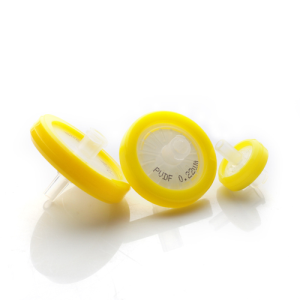


As a trusted membrane filter supplier, we often encounter inquiries from our clients about the maximum temperature that membrane filters can withstand. This is a crucial aspect to understand, as it directly impacts the suitability of membrane filters for various industrial and laboratory applications. In this blog, we'll delve into the factors influencing the temperature tolerance of membrane filters, explore different types of membrane materials and their temperature limits, and provide insights to help you make informed decisions for your specific needs.
Factors Influencing Temperature Tolerance
The maximum temperature that a membrane filter can tolerate depends on several key factors, primarily related to the material composition of the membrane. Different polymers and materials have distinct molecular structures, which respond to heat in unique ways. When a membrane filter is exposed to high temperatures, the polymer chains within the material can begin to break down, leading to a loss of structural integrity and potentially compromising the filter's performance.
Another important factor is the chemical environment in which the filter operates. Certain chemicals can interact with the membrane material, either accelerating the breakdown process at high temperatures or reducing the overall temperature tolerance. For example, solvents or aggressive chemicals may cause swelling or degradation of the membrane, making it more susceptible to damage at lower temperatures.
The duration of exposure to high temperatures also plays a significant role. Short - term exposure to elevated temperatures may be tolerated without significant damage, while prolonged exposure can lead to cumulative effects that ultimately degrade the filter. This is particularly relevant in continuous - flow processes where the membrane is constantly exposed to high - temperature fluids.
Types of Membrane Materials and Their Temperature Limits
Cellulose - Based Membranes
Cellulose acetate and cellulose nitrate are among the most commonly used cellulose - based membrane materials. These membranes are known for their high porosity and excellent filtration properties. However, their temperature tolerance is relatively limited. Generally, cellulose - based membranes can withstand temperatures up to around 40 - 50°C. At higher temperatures, the cellulose polymers start to soften and lose their shape, which can lead to premature failure of the filter. They are suitable for applications where the operating temperature is relatively low, such as in some biological and pharmaceutical filtration processes where maintaining a stable temperature is essential to preserve the integrity of the sample.
Polysulfone Membranes
Polysulfone is a high - performance polymer that offers better temperature resistance compared to cellulose - based materials. Membrane filters made from polysulfone can typically handle temperatures up to approximately 130 - 150°C. This makes them suitable for a wider range of applications, including hot water filtration, some industrial processes where moderate - to - high temperatures are involved, and certain sterilization procedures. The chemical structure of polysulfone provides it with good thermal stability, allowing the membrane to maintain its filtration efficiency even under elevated temperature conditions.
Polyvinylidene Fluoride (PVDF) Membranes
PVDF is a fluoropolymer that is well - known for its excellent chemical resistance and high - temperature tolerance. PVDF membrane filters can withstand temperatures up to 140 - 150°C continuously and even higher temperatures for short - term exposures. This makes them ideal for applications in harsh chemical environments and high - temperature processes, such as in the chemical industry for filtering hot corrosive liquids or in steam sterilization processes. The strong carbon - fluorine bonds in PVDF contribute to its exceptional stability at elevated temperatures.
Poly tetrafluoroethylene (PTFE) Membranes
PTFE, also known as Teflon, is perhaps the most heat - resistant material used in membrane filtration. PTFE membrane filters can tolerate extremely high temperatures, with continuous - use temperature limits reaching up to 260°C. These filters are used in applications where other materials would quickly degrade, such as in high - temperature gas filtration, some specialized chemical processes, and applications involving high - energy or high - temperature plasmas. The unique molecular structure of PTFE, with its high proportion of fluorine atoms and strong carbon - fluorine bonds, provides it with outstanding thermal stability.
Selecting the Right Membrane Filter Based on Temperature Requirements
When choosing a membrane filter for your specific application, it's essential to carefully consider the temperature conditions of your process. You need to determine the maximum temperature that the filter will be exposed to, whether it's a continuous or intermittent exposure, and the duration of such exposure.
If you're working in a low - temperature application, such as a basic laboratory filtration of biological samples at room temperature, a cellulose - based membrane filter may be sufficient. However, if your process involves hot liquids or steam sterilization, a polysulfone, PVDF, or PTFE membrane would be a better choice.
It's also important to consider the compatibility of the membrane material with the other components of your system, including the solvents, chemicals, and housing materials. For example, some polymers may react with certain chemicals, even at relatively low temperatures, which can affect the performance and lifespan of the filter.
Our Product Offerings
As a leading membrane filter supplier, we offer a wide range of membrane filters made from different materials to meet the diverse needs of our customers. Our inventory includes high - quality cellulose - based, polysulfone, PVDF, and PTFE membrane filters. Each product is carefully manufactured to ensure consistent performance and reliability, even under challenging temperature conditions.
One of our popular products is the CN Gridded Membrane Filter. This filter is designed with a unique grid pattern that allows for easy counting and identification of particles during filtration. Available in different membrane materials, it can be selected based on your specific temperature requirements. Whether you need a low - temperature - tolerant cellulose - based version for gentle biological applications or a high - temperature - resistant PVDF or PTFE version for more demanding industrial processes, we have the right solution for you.
Conclusion
Understanding the maximum temperature that membrane filters can tolerate is crucial for selecting the right filter for your application. By considering the material composition, chemical environment, and duration of temperature exposure, you can ensure that your membrane filter performs effectively and reliably over its lifetime.


At our company, we are committed to providing our customers with the highest - quality membrane filters. We have a team of experts ready to assist you in choosing the most suitable product for your specific needs. If you have any questions about temperature tolerance or other aspects of membrane filtration, or if you're interested in discussing a potential purchase, please don't hesitate to contact us. Our representatives will be happy to guide you through the selection process and answer all your inquiries.
References
- "Membrane Filtration Technology: Principles and Applications" by Andrew L. Zydney.
- "Handbook of Industrial Membrane Technology" edited by Mark Cheryan.
- Technical data sheets from membrane filter manufacturers.