


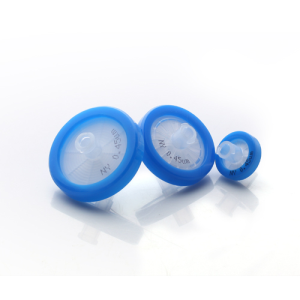
In the world of laboratory and medical applications, syringe filters play a crucial role in ensuring the purity and integrity of samples. Among the various types of syringe filters, Syringe Filter CA (Cellulose Acetate) is widely used due to its excellent properties such as low protein binding, high flow rates, and good chemical compatibility with a wide range of solvents. As a supplier of Syringe Filter CA, I understand not only the importance of providing high - quality products but also the significance of proper disposal methods. In this blog, I will share some scientific and reasonable ways to dispose of used Syringe Filter CA.
Understanding the Composition of Syringe Filter CA
Before discussing the disposal methods, it's essential to understand the composition of Syringe Filter CA. These filters typically consist of a cellulose acetate membrane, which is the key filtration component, and a plastic housing. The cellulose acetate membrane is a semi - permeable material that allows the passage of solvents and small molecules while retaining particles and contaminants. The plastic housing, usually made of polypropylene or other polymers, provides structural support to the filter.


Why Proper Disposal Matters
Improper disposal of used Syringe Filter CA can pose several risks. Firstly, if these filters have been in contact with hazardous substances such as chemicals, biological agents, or radioactive materials, they can contaminate the environment. For example, residual chemicals in the filter can leach into soil and groundwater, causing pollution. Secondly, used filters may also carry infectious agents if they have been used in medical or microbiological settings. Inadequate disposal can spread these pathogens, leading to potential health risks for humans and animals.
General Disposal Scenarios
When the Filter Is Used for Non - Hazardous Samples
If the Syringe Filter CA has been used to filter non - hazardous liquids such as pure water or common laboratory buffers, the disposal process is relatively straightforward. Most of the time, they can be disposed of as general laboratory waste.
- In a laboratory setting: Collect the used filters in a designated waste container. Label the container clearly as "non - hazardous laboratory waste". Once the container is full, follow the local laboratory waste management procedures. This usually involves transferring the waste to a central collection point and arranging for regular pick - up by an approved waste disposal company.
- In a small - scale research environment: If you are working in a small research setup, you can seal the used filters in a plastic bag and dispose of them with your regular household waste. However, it's important to ensure that the filters are not contaminated with any hazardous materials.
When the Filter Is Used for Hazardous Samples
When dealing with hazardous samples, a more stringent disposal approach is required.
- Chemical hazards: If the filter has been in contact with toxic chemicals, strong acids, or bases, it must be treated as chemical waste. First, try to remove as much of the residual chemical as possible by rinsing the filter with an appropriate solvent (following safety guidelines). Then, place the filter in a properly labeled chemical waste container. Ensure that the container is made of a material that is resistant to the chemicals stored inside. Contact a professional chemical waste disposal company to handle the transportation and disposal of these filters safely.
- Biological hazards: Used in microbiological or medical applications, filters may contain living organisms, viruses, or other biological agents. These filters should be autoclaved first to kill any pathogens. Autoclaving is a process of subjecting the filters to high - pressure steam at a temperature of around 121°C for a specific period. After autoclaving, the filters can be disposed of as bio - hazardous waste. Similar to chemical waste, bio - hazardous waste should be handled by a licensed waste disposal service.
Comparison with Other Types of Syringe Filters
It's also worth comparing the disposal of Syringe Filter CA with other common types of syringe filters, such as Syringe Filter Nylon and Syringe Filter PES.
- Syringe Filter Nylon: Nylon filters are known for their high chemical resistance and mechanical strength. The disposal methods are generally similar to those of Syringe Filter CA. However, nylon may be more difficult to degrade in the environment compared to cellulose acetate. So, when disposing of used Nylon filters, especially those contaminated with hazardous substances, extra care should be taken to ensure proper treatment.
- Syringe Filter PES: Polyethersulfone (PES) filters are often used for high - flow filtration and are resistant to oxidation. Similar to the other two types, the disposal depends on the nature of the substances they have been in contact with. PES filters may require specific treatments to break down the polymer if they cannot be recycled.
Recycling Possibilities
In some cases, recycling of used Syringe Filter CA may be possible. The cellulose acetate membrane can be potentially recycled into other cellulose - based products. However, the recycling process is complex and requires specialized facilities.
- Collection and separation: If you are interested in recycling, you need to collect the used filters separately from other waste. Then, the filters need to be separated into their components (membrane and housing). This separation can be a time - consuming and labor - intensive process.
- Finding a recycling partner: Look for recycling companies that have experience in handling cellulose acetate and plastic waste. These companies can process the materials and turn them into new products. Keep in mind that not all areas have recycling facilities for syringe filters, so you may need to do some research to find a suitable option.
Regulatory Considerations
When disposing of used Syringe Filter CA, it's crucial to comply with local, national, and international regulations. Different regions have different rules regarding the disposal of hazardous and non - hazardous waste.
- Local regulations: Check with your local environmental protection agency or waste management department to understand the specific requirements in your area. They can provide you with detailed information on waste classification, collection, transportation, and disposal methods.
- International standards: In the scientific and medical communities, there are also international standards for waste management. For example, the World Health Organization (WHO) provides guidelines on the safe disposal of medical waste, which can be a reference for disposing of Syringe Filter CA used in medical settings.
Conclusion
Proper disposal of used Syringe Filter CA is essential for protecting the environment and human health. Whether the filters have been used for non - hazardous or hazardous samples, following the correct disposal methods is crucial. As a supplier of Syringe Filter CA, I am committed to not only providing high - quality products but also sharing knowledge about their proper use and disposal.
If you are in the market for high - quality Syringe Filter CA or have any questions about our products, we encourage you to reach out for a procurement discussion. We can offer customized solutions to meet your specific filtration needs.
References
- Environmental Protection Agency. (Year). Guidelines for Laboratory Waste Management.
- World Health Organization. (Year). Safe Management of Wastes from Health - Care Activities.
- Scientific literature on the properties and disposal of cellulose acetate and syringe filters.