


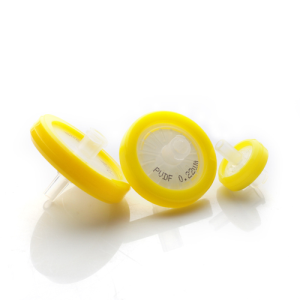


Alright, folks! As a supplier of sterile filters, I'm stoked to dive into the materials used in these nifty little devices. Sterile filters are super important in a bunch of industries, like pharmaceuticals, biotechnology, food and beverage, and even in some research labs. They're used to get rid of contaminants and make sure the stuff we use is clean and safe. So, let's take a closer look at what goes into making these filters.
1. Membrane Materials
The membrane is the star of the show in a sterile filter. It's the part that actually does the filtering. There are several types of membrane materials, each with its own pros and cons.
Polyethersulfone (PES)
PES is one of the most popular membrane materials out there. It's got a bunch of great features. First off, it has a high flow rate, which means it can filter a lot of liquid quickly. This is super useful in industries where time is money, like in large-scale pharmaceutical production. It also has low protein binding, which is crucial when you're filtering biological samples. You don't want your proteins sticking to the filter and getting lost. PES membranes are also hydrophilic, which means they can easily wet with water. This makes them easy to use and ensures efficient filtration. If you're looking for a reliable and high-performing membrane material, PES is a great choice. We offer 30mm Sterile Syringe Filter with PES membranes that are perfect for a variety of applications.
Polytetrafluoroethylene (PTFE)
PTFE is another well-known membrane material. It's hydrophobic, which means it doesn't like water. This might sound like a bad thing, but it's actually really useful for filtering gases and organic solvents. Since it doesn't absorb water, it won't get clogged up by water droplets when filtering gases. PTFE membranes are also chemically resistant, which means they can withstand harsh chemicals without breaking down. This makes them ideal for use in chemical and pharmaceutical labs. Our 13mm Sterile Syringe Filter with PTFE membranes is a great option for those who need to filter gases or organic solvents.
Nylon
Nylon membranes are known for their strength and durability. They can handle high pressures without tearing or breaking. They're also hydrophilic, which makes them suitable for filtering aqueous solutions. Nylon has good chemical resistance, although it's not as resistant as PTFE. It's often used in applications where a strong and reliable membrane is needed, such as in the food and beverage industry. We have 33mm Sterile Syringe Filter with nylon membranes that can be used in a wide range of applications.


2. Housing Materials
The housing of a sterile filter is just as important as the membrane. It holds the membrane in place and provides a way to connect the filter to the system. There are a few common housing materials.
Polypropylene (PP)
Polypropylene is a popular choice for filter housings. It's lightweight, strong, and chemically resistant. It can withstand a wide range of temperatures, which makes it suitable for use in different environments. PP is also easy to mold, so it can be made into different shapes and sizes to fit various filter designs. It's a cost - effective option, which is great for both small and large - scale applications.
Acrylic
Acrylic is another material used for filter housings. It's transparent, which allows you to easily see the filtration process. This is really useful in research labs where you might need to monitor the flow of liquid or the presence of contaminants. Acrylic is also strong and has good chemical resistance, but it's not as heat - resistant as polypropylene.
3. Other Components
There are also some other components in a sterile filter that are made from different materials.
O - rings
O - rings are used to create a seal between different parts of the filter. They're usually made from materials like silicone or Viton. Silicone O - rings are flexible and have good chemical resistance. They can withstand a wide range of temperatures and are suitable for most applications. Viton O - rings, on the other hand, are more chemically resistant and can handle more aggressive chemicals. They're often used in applications where the filter will come into contact with harsh solvents or chemicals.
End Caps
End caps are used to close off the ends of the filter. They can be made from polypropylene or other plastics. Their main job is to protect the membrane and keep the filter clean. They also provide a way to attach the filter to the tubing or other parts of the system.
Why Choose Our Sterile Filters?
We take pride in offering high - quality sterile filters made from the best materials. Our filters are designed to meet the strictest standards in the industry. Whether you need a filter for a small - scale research project or a large - scale production process, we've got you covered. Our team of experts is always ready to help you choose the right filter for your specific needs.
If you're in the market for sterile filters, don't hesitate to reach out. We're more than happy to have a chat about your requirements, answer any questions you might have, and discuss how our filters can fit into your operations. We believe in providing top - notch products and excellent customer service. So, let's start a conversation and see how we can work together to meet your filtration needs.
References
- "Filtration Handbook", Third Edition, by Peter A. Williams.
- Journal articles on membrane filtration technology from various scientific publishers.