


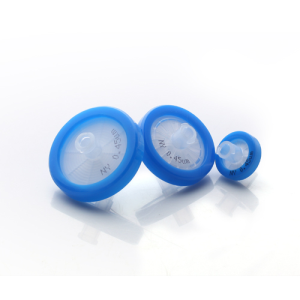
The quality of Syringe Filter MCE (Mixed Cellulose Ester) can vary significantly among different brands, a topic of great importance for both suppliers like myself and end-users. As a supplier of Syringe Filter MCE, I have witnessed firsthand the diverse quality levels in the market, which are influenced by multiple factors including raw materials, manufacturing processes, and quality control measures.
Raw Materials
One of the primary determinants of the quality of Syringe Filter MCE is the raw materials used in its production. High - quality MCE filters are made from pure and well - sourced cellulose esters. Some brands may cut corners by using lower - grade raw materials, which can lead to several issues. For example, impure cellulose esters may contain contaminants that can leach into the sample during filtration. This is particularly problematic in applications such as pharmaceutical analysis or biological research, where even trace amounts of contaminants can skew results.
In contrast, top - tier brands invest in high - purity cellulose esters. These materials are carefully selected to ensure consistent performance. They have a uniform pore structure, which is crucial for accurate and reproducible filtration. A well - defined pore size allows for precise separation of particles based on their size, whether it's for removing bacteria, particulates, or other unwanted substances from a sample.
Manufacturing Processes
The manufacturing process also plays a vital role in the quality of Syringe Filter MCE. Brands that use advanced manufacturing techniques are more likely to produce high - quality filters. For instance, some companies employ state - of the - art extrusion and casting methods to create MCE membranes with consistent thickness and pore distribution.
On the other hand, less reputable brands may use outdated or substandard manufacturing processes. This can result in uneven pore sizes, inconsistent membrane thickness, and weak structural integrity. Filters with uneven pore sizes may not provide reliable filtration, as some particles may pass through larger pores while others are retained, leading to inconsistent results. Weak structural integrity can cause the filter to rupture or delaminate during use, especially when subjected to high pressure or flow rates.
Quality Control Measures
Quality control is another area where brands can differ significantly. Established brands have rigorous quality control protocols in place at every stage of production. They conduct extensive testing on raw materials to ensure their purity and suitability. During manufacturing, they monitor key parameters such as pore size, flow rate, and pressure resistance to ensure that each filter meets the specified standards.
After production, these brands perform final inspections on the finished filters. This may include visual inspections to check for defects, as well as performance testing using standard samples. In contrast, some brands may have lax quality control measures. They may not conduct thorough testing, which means that substandard filters can make their way into the market. This can be a major concern for end - users, as they rely on the filters to perform critical filtration tasks.
Performance in Different Applications
The quality differences among brands also become evident when considering the performance of Syringe Filter MCE in different applications. In analytical chemistry, for example, high - quality filters are essential for accurate sample preparation. A filter with a consistent pore size and low extractables is required to ensure that the sample is not contaminated during filtration. Brands that offer high - quality MCE filters can provide reliable results, which are crucial for research and development, quality control, and regulatory compliance.
In the pharmaceutical industry, the quality of Syringe Filter MCE is of utmost importance. Filters are used to remove bacteria and other contaminants from pharmaceutical solutions. A low - quality filter may not effectively remove all contaminants, which can pose a risk to patient safety. Therefore, pharmaceutical companies often prefer to use filters from well - established brands with a proven track record of quality and reliability.
In the biotechnology field, MCE filters are used for cell culture media filtration and protein purification. High - quality filters can prevent the introduction of foreign particles and microorganisms, which can affect cell growth and protein activity. Brands that offer filters with high flow rates and low protein binding are more suitable for these applications, as they can ensure efficient and effective filtration without compromising the integrity of the sample.
Compatibility with Other Products
Another aspect to consider is the compatibility of Syringe Filter MCE with other products. Some brands design their filters to be compatible with a wide range of solvents, buffers, and other solutions. This is important because different applications may require the use of different types of solutions. A filter that is not compatible with a particular solution may dissolve, swell, or release contaminants, which can affect the filtration process and the quality of the sample.
In contrast, some brands may have limited compatibility. Their filters may only work well with a narrow range of solutions, which can be a drawback for end - users who need to use different types of solvents or buffers in their work.
Cost - Quality Relationship
When it comes to the cost - quality relationship, it's important to note that while high - quality Syringe Filter MCE from well - known brands may be more expensive, they often offer better value in the long run. A high - quality filter is more likely to provide consistent performance, which can reduce the need for repeated filtration and re - testing. This can save time and money in the long term, especially in high - volume or critical applications.


On the other hand, low - cost filters may seem like a bargain at first, but they can lead to higher costs in the long run. Substandard filters may not perform as expected, which can result in wasted samples, additional testing, and potential product recalls in industries such as pharmaceuticals.
Our Brand's Advantage
As a supplier of Syringe Filter MCE, we take pride in offering high - quality products. We source our raw materials from trusted suppliers to ensure their purity and quality. Our manufacturing process is based on advanced techniques, which allows us to produce filters with consistent pore sizes, uniform membrane thickness, and excellent structural integrity.
We have a strict quality control system in place. Every batch of filters is tested to ensure that it meets our high standards. We also offer a wide range of Syringe Filter MCE products, including Syringe Filter Nylon, 30mm Syringe Filter, and 4mm Syringe Filter, to meet the diverse needs of our customers.
Conclusion
In conclusion, the quality of Syringe Filter MCE varies significantly among different brands. Factors such as raw materials, manufacturing processes, quality control measures, performance in different applications, compatibility with other products, and the cost - quality relationship all contribute to these differences. As a supplier, we are committed to providing high - quality filters that meet the needs of our customers. If you are interested in purchasing Syringe Filter MCE or have any questions about our products, please feel free to contact us for further discussion and procurement negotiation.
References
- ASTM International. Standard test methods for performance characteristics of membrane filters.
- ISO standards related to filtration products.
- Technical literature from leading filter manufacturers.