


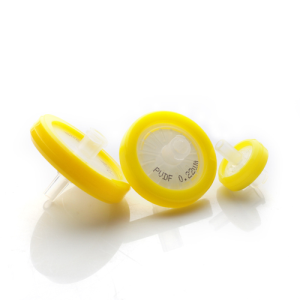


Hey there! As a supplier of membrane filters, I've been getting a lot of questions lately about the quality control standards for these nifty little devices. So, I thought I'd take a few minutes to break it all down for you.
First off, let's talk about what membrane filters are and why quality control is so important. Membrane filters are thin, porous materials that are used to separate particles from a fluid or gas. They're used in a wide range of industries, from pharmaceuticals and biotechnology to food and beverage and water treatment. The quality of these filters can have a huge impact on the effectiveness of the separation process, as well as the safety and quality of the final product.
So, what are the key quality control standards for membrane filters? Well, there are a few different factors that come into play.
Pore Size and Distribution
One of the most important aspects of a membrane filter is its pore size. The pore size determines what size particles can pass through the filter and what size particles will be retained. For example, if you're filtering bacteria from a liquid, you'll need a filter with a pore size small enough to trap the bacteria but large enough to allow the liquid to pass through.
Quality control standards for pore size typically involve measuring the average pore size and the distribution of pore sizes across the filter. This is usually done using techniques like scanning electron microscopy (SEM) or atomic force microscopy (AFM). The goal is to ensure that the pore size is consistent across the entire filter and that there are no large variations that could affect the filtration performance.
Flow Rate
Another important factor is the flow rate of the filter. The flow rate determines how quickly the fluid or gas can pass through the filter. A filter with a high flow rate will allow more fluid to pass through in a given amount of time, which can be important in applications where speed is critical.
Quality control standards for flow rate typically involve measuring the flow rate under specific conditions, such as a certain pressure and temperature. The goal is to ensure that the flow rate is consistent across the entire filter and that it meets the specifications of the application.
Chemical Compatibility
Membrane filters are often used in applications where they come into contact with chemicals. It's important to ensure that the filter is chemically compatible with the chemicals it will be exposed to. Otherwise, the filter could break down or react with the chemicals, which could affect the filtration performance and the safety of the final product.
Quality control standards for chemical compatibility typically involve testing the filter in a variety of chemical environments to ensure that it doesn't degrade or react with the chemicals. This is usually done using techniques like immersion testing or exposure to chemical vapors.
Sterility
In many applications, such as pharmaceuticals and biotechnology, it's important to ensure that the membrane filter is sterile. Sterility ensures that there are no microorganisms present on the filter that could contaminate the final product.
Quality control standards for sterility typically involve testing the filter using techniques like microbial enumeration or sterility testing. The goal is to ensure that the filter meets the required sterility standards for the application.
Physical Integrity
Finally, it's important to ensure that the membrane filter has good physical integrity. This means that the filter should be strong enough to withstand the pressure and flow conditions of the application without breaking or tearing.
Quality control standards for physical integrity typically involve testing the filter using techniques like burst strength testing or tensile strength testing. The goal is to ensure that the filter meets the required physical integrity standards for the application.


At our company, we take quality control very seriously. We have a rigorous quality control process in place to ensure that all of our membrane filters meet the highest standards of quality and performance. We use state-of-the-art equipment and techniques to test our filters for pore size, flow rate, chemical compatibility, sterility, and physical integrity.
One of our popular products is the CN Gridded Membrane Filter. This filter is designed with a grid pattern on the surface, which makes it easy to count and analyze the particles that are retained on the filter. It's widely used in applications such as microbiological analysis and environmental monitoring.
If you're in the market for membrane filters, I encourage you to contact us to learn more about our products and our quality control process. We'd be happy to answer any questions you have and help you find the right filter for your application. Whether you're a small startup or a large multinational corporation, we have the expertise and the products to meet your needs.
So, don't hesitate to reach out and start a conversation. We're here to help you get the best filtration solutions for your business.
References
- ASTM International. (2023). Standard test methods for pore size characteristics of membrane filters by bubble point and mean flow pore test. ASTM F316 - 20.
- ISO. (2019). ISO 13408 - 1:2019. Healthcare products - Sterilization of medical devices - Requirements for validation and routine control - Part 1: Sterilization processes.
- United States Pharmacopeia (USP). (2023). USP <71> Sterility Tests.