


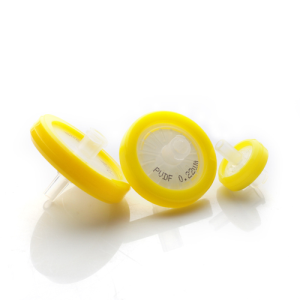


Hey there! As a supplier of membrane filters, I'm super stoked to share with you how to install a membrane filter. Whether you're a newbie in the filtration game or just looking to brush up on your skills, this guide's got you covered.
What You'll Need Before You Start
First things first, gather all the tools and materials you'll need for the installation. You'll obviously need the membrane filter itself. If you're in the market for a great one, check out our CN Gridded Membrane Filter. It's top - notch and designed to meet a variety of filtration needs.
Besides the filter, you'll need a filter housing. Make sure it's the right size and type for your membrane filter. You'll also want a set of wrenches or pliers, depending on the housing's design. A clean work surface is a must to avoid any contamination of the filter. And don't forget some clean water for rinsing the filter and housing before installation.
Pre - installation Checks
Before you start installing the membrane filter, it's crucial to do a few checks. First, inspect the filter for any visible damage. Look for tears, holes, or any signs of wear and tear. If you find any issues, don't use the filter; contact your supplier (like us!) to get a replacement.
Next, check the filter housing. Make sure it's clean and free of any debris. You can use a soft brush or a clean cloth to wipe it down. Also, check the O - rings or gaskets in the housing. They should be in good condition and properly seated. If they're damaged, replace them before proceeding with the installation.
Step - by - Step Installation Process
Step 1: Prepare the Filter
Start by carefully removing the membrane filter from its packaging. Be gentle to avoid damaging the delicate membrane. If the filter has a protective cover, remove it. Rinse the filter with clean water to get rid of any loose particles or contaminants that might have accumulated during storage or shipping.
Step 2: Prepare the Filter Housing
Place the filter housing on your clean work surface. If there are any parts that need to be disassembled, like the top cover or the end caps, use your wrenches or pliers to do so. Make sure you keep track of all the parts and their orientation.
Rinse the inside of the filter housing with clean water. This helps to remove any dust or debris that could potentially contaminate the filter. Once it's clean, dry it with a clean cloth.
Step 3: Insert the Filter into the Housing
Take the rinsed membrane filter and carefully insert it into the filter housing. Make sure it's properly aligned and seated. Some filters have a specific orientation, so pay attention to any markings on the filter or the housing.
If your filter housing has multiple chambers or compartments, make sure you place the filter in the correct one. This ensures that the filtration process works as intended.
Step 4: Reassemble the Filter Housing
Once the filter is in place, start reassembling the filter housing. Put the top cover or end caps back on and tighten them using your wrenches or pliers. Make sure they're tightened securely, but don't over - tighten as this could damage the housing or the filter.
Check the O - rings or gaskets again to ensure they're still in good condition and properly sealed. A good seal is essential to prevent any leaks during the filtration process.
Step 5: Connect the Housing to the System
Now it's time to connect the filter housing to your filtration system. This could be a water purification system, an air filtration system, or any other type of system that requires a membrane filter.
Use the appropriate connectors or hoses to make the connections. Make sure they're tightened securely to prevent leaks. If you're not sure how to make the connections, refer to the system's manual or consult with a professional.
Step 6: Prime the System
Before you start the filtration process, you need to prime the system. This involves filling the filter housing and the connected pipes with the fluid (water, air, etc.) that you'll be filtering.
Open the inlet valve slowly to allow the fluid to enter the system. Let it run for a few minutes to flush out any air bubbles and to ensure that the filter is fully wetted. You may see some water or fluid coming out of the outlet during this process, which is normal.
Post - installation Checks
After you've installed and primed the system, it's important to do some post - installation checks. First, check for any leaks. Look around the filter housing, the connections, and the pipes for any signs of dripping or seeping. If you find a leak, tighten the connections or replace the O - rings as needed.
Next, check the pressure gauge (if your system has one). The pressure should be within the recommended range for your membrane filter. If the pressure is too high or too low, it could indicate a problem with the installation or the filter itself.
Finally, run a test filtration. Let the system run for a while and collect a sample of the filtered fluid. Check its quality to make sure the filter is working properly. You can use appropriate testing methods or equipment to analyze the sample.
Troubleshooting Tips
Even if you follow all the steps correctly, you might encounter some issues. Here are some common problems and how to fix them:


- Low Flow Rate: If the flow rate of the filtered fluid is low, it could be due to a clogged filter. Try backwashing the filter (if it's designed for backwashing) or replacing it. It could also be caused by a blockage in the pipes or a problem with the pump.
- Leaks: As mentioned earlier, leaks are usually caused by loose connections or damaged O - rings. Tighten the connections or replace the O - rings to fix the issue.
- Poor Filtration Quality: If the filtered fluid still contains contaminants, the filter might be damaged or installed incorrectly. Check the filter for damage and make sure it's properly seated in the housing. You may also need to increase the filtration time or replace the filter if it's worn out.
Conclusion
Installing a membrane filter isn't rocket science, but it does require some attention to detail. By following the steps outlined in this guide, you should be able to install your membrane filter successfully. And if you're looking for a high - quality membrane filter, don't forget to check out our CN Gridded Membrane Filter.
If you have any questions or need further assistance with your membrane filter installation or filtration system, we're here to help. We're always happy to chat with you about your filtration needs and can offer expert advice. Whether you're a small - scale user or a large - scale industrial client, we've got the products and knowledge to support you. So, if you're interested in purchasing our membrane filters or have any inquiries, don't hesitate to reach out. Let's start a conversation about how we can meet your filtration requirements!
References
- Membrane Filtration Handbook, various industry experts
- Manufacturer's guides for membrane filters and filter housings