




Is Silical Gel a natural or synthetic material?
Hey there! I'm a supplier of silica gel, and today I want to dig into a question that often pops up: Is silica gel a natural or synthetic material? It's a topic that might seem simple at first glance but has some interesting nuances.
Let's start with a bit of background. Silica gel is this stuff that looks like those little beads you find in shoe boxes or with your new electronics to keep things dry. It's a desiccant, which means it's really good at soaking up moisture from the air.
Natural Origins
Silica, the main component of silica gel, is actually one of the most abundant substances on Earth. It's found in nature in various forms. For example, quartz, which is a well - known mineral, is made up of silica. Sand on the beach also contains a significant amount of silica. So, in a way, the raw material for silica gel has natural origins.
Some forms of silica can be mined directly from the earth. Diatomaceous earth, for instance, is a natural sedimentary rock that's composed of the fossilized remains of diatoms, which are tiny aquatic organisms. These diatoms have shells made of silica. When we process diatomaceous earth, we can get a form of silica that can be used in some applications similar to silica gel.
However, the silica gel that we commonly use in industrial and consumer products isn't usually directly from these natural sources in their raw form.
Synthetic Production
Most of the silica gel available on the market today is synthetic. The process of making synthetic silica gel starts with sodium silicate, which is a chemical compound. Sodium silicate is mixed with an acid, usually sulfuric acid. When these two react, they form a gel - like substance.
This gel is then washed and dried to remove any impurities and excess water. The result is the hard, porous beads that we recognize as silica gel. The synthetic production method allows us to control the properties of the silica gel more precisely. We can adjust things like the pore size, which affects how much moisture the silica gel can absorb and how quickly.
For example, if we're making silica gel for use in a high - humidity environment, we can create a product with larger pores to hold more water. On the other hand, for applications where we need to remove very small amounts of moisture quickly, we can make silica gel with smaller pores.

Why Synthetic Silica Gel is Popular
There are several reasons why synthetic silica gel has become so popular. First of all, it's more consistent in quality. Since it's made in a controlled industrial process, each batch of synthetic silica gel has similar properties. This is really important for industries that rely on the performance of silica gel, like the pharmaceutical industry.
In the pharmaceutical industry, silica gel is used to keep medications dry. If the moisture - absorbing properties of the silica gel vary too much from batch to batch, it could affect the stability of the drugs. Synthetic silica gel also tends to be more pure. It doesn't have the impurities that might be present in natural sources, which could potentially react with other substances and cause unwanted effects.
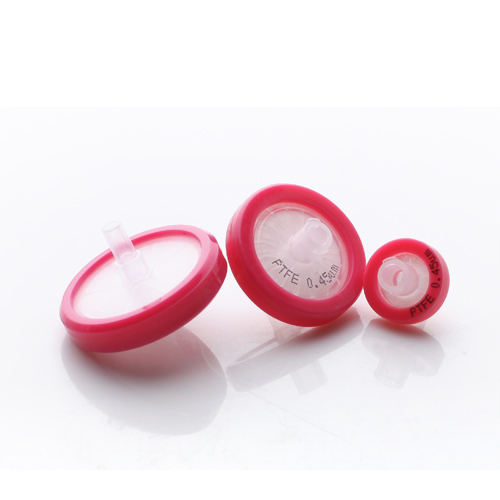
Another advantage of synthetic silica gel is that it can be produced in large quantities. As a supplier, I know that meeting the demand for silica gel in different industries is crucial. Whether it's for packaging food, protecting electronic components, or in Syringe Filter PTFE production, where moisture control is essential, synthetic silica gel can be made in the volumes that are needed.
Applications and the Role of Silica Gel
Silica gel has a wide range of applications. In the food industry, it's used to keep packaged food dry and extend its shelf life. Moisture can cause food to spoil, grow mold, or lose its texture and flavor. By placing silica gel packets in food packages, we can prevent these issues.
In the electronics industry, moisture is a big enemy. It can cause corrosion of electronic components, leading to malfunctions and reduced lifespan. Silica gel is used in electronic packaging to absorb any moisture that might get inside the box. This helps to ensure that the electronics work properly when they reach the consumers.
It's also used in laboratories. For example, in Vacuum Filtration System, silica gel can be used to keep the environment dry. This is important because many chemical reactions and experiments are sensitive to moisture. Even a small amount of water in the system can affect the results of the experiment.
In the manufacturing of HFA series high flow filter cartridge, silica gel can be used in the production process to control moisture levels. This is crucial for ensuring the quality and performance of the filter cartridges.
Conclusion
So, to answer the question, while silica gel has natural roots because silica is a naturally occurring substance, most of the silica gel we use today is synthetic. The synthetic production method gives us better control over the properties of the silica gel, making it more reliable and suitable for a wide range of applications.
If you're in need of silica gel for your business, whether it's for packaging, industrial processes, or laboratory use, I'm here to help. I can provide high - quality silica gel that meets your specific requirements. Don't hesitate to reach out for a quote and start a discussion about your silica gel needs. We can work together to find the best solution for your moisture - control challenges.
References
- "The Chemistry of Silica: Solubility, Polymerization, Colloid and Surface Properties, and Biochemistry" by Ralph K. Iler.
- Various industry reports on desiccant materials and their applications in different sectors.